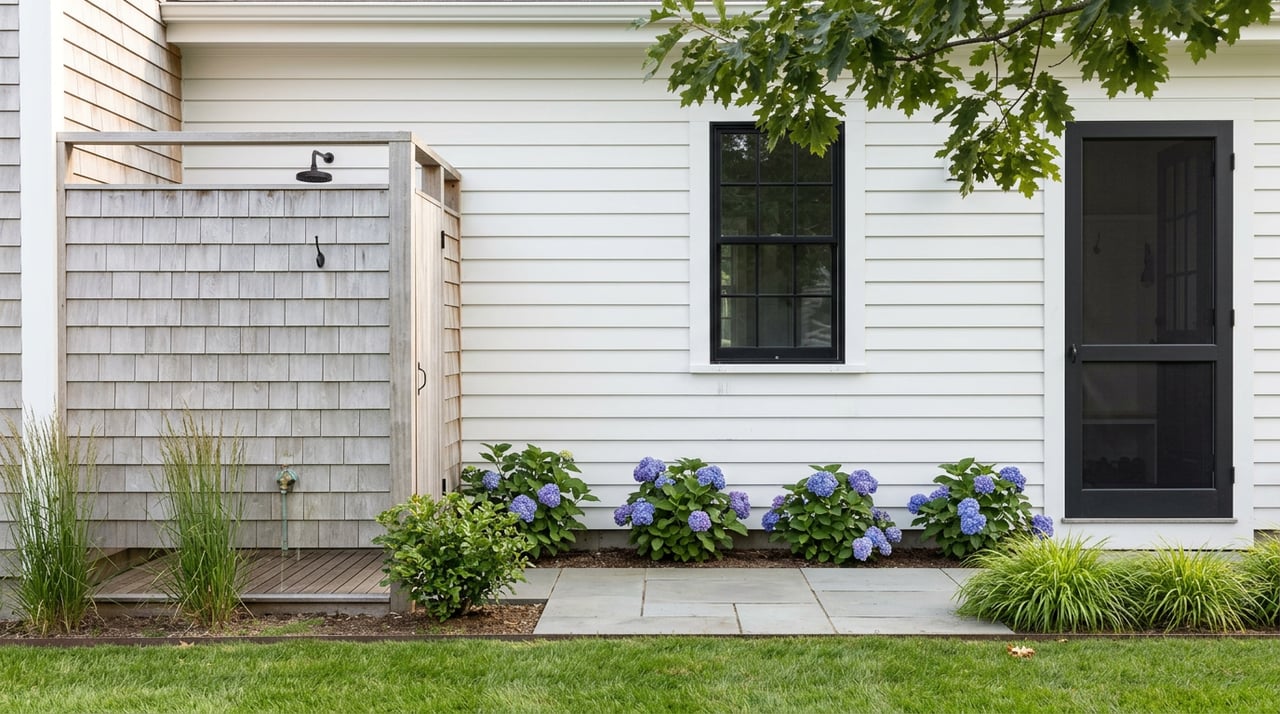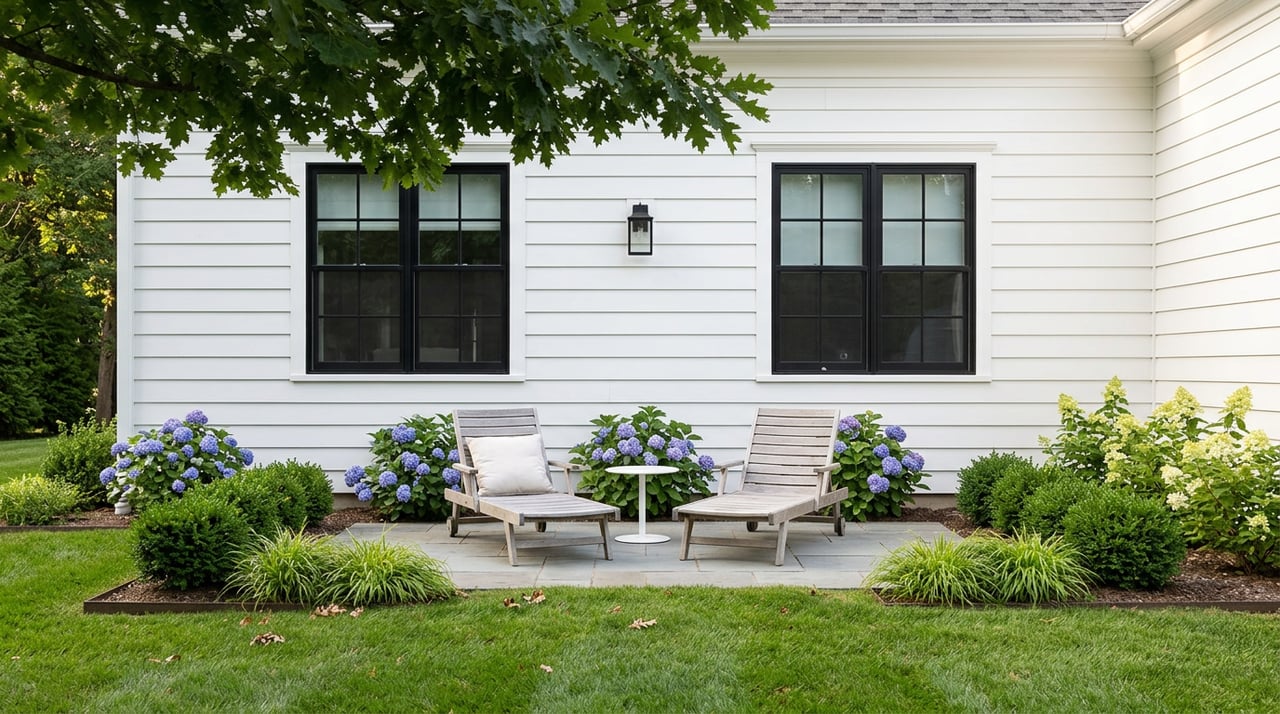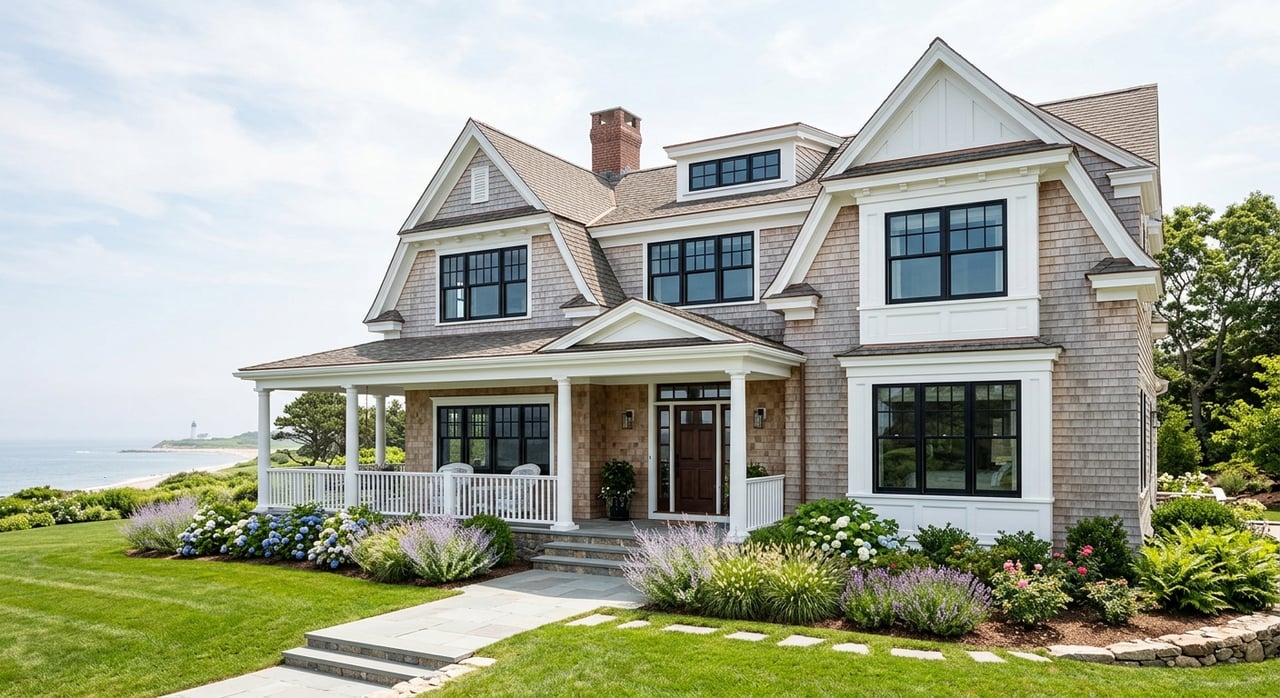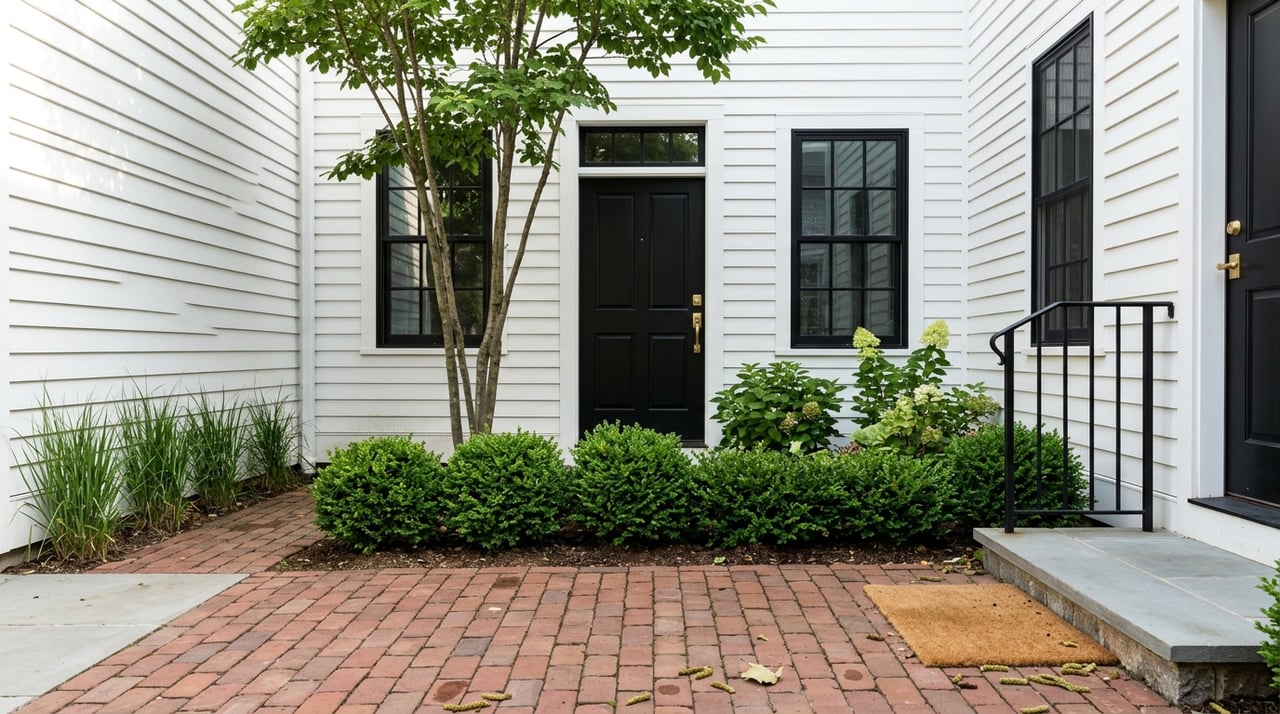
Wondering if life in Cohasset Village could feel simpler, easier, and more connected to your day-to-day routine? If you are thinking about trading a larger home for a smaller one, you are probably weighing more than square footage. You want to know whether the move will actually improve your lifestyle, your budget, and your long-term comfort. This guide walks you through the practical questions to ask before downsizing to Cohasset Village. Let’s dive in.
Why Cohasset Village Appeals
Cohasset Village offers a compact, historic town center with shops, restaurants, landmarks, and shoreline-oriented recreation nearby. The town’s Village District guidance describes the area as a pedestrian-oriented district with sidewalks, connections, and a traditional New England scale. If you want a setting where errands and outings may involve less driving, that matters.
The scale of the village is part of the appeal. A town parking analysis describes the core study area as about one-quarter mile long, or roughly a five-minute walk from end to end. For many downsizers, that kind of convenience can be a meaningful lifestyle shift.
Cohasset also tends to feel more owner-occupied than transient. According to the latest Census QuickFacts, 83.0% of housing units are owner-occupied, the town’s estimated 2025 population is 8,461, and 17.8% of residents are age 65 or older. Those numbers do not tell you whether the village is right for you, but they do help explain why many buyers see it as a place to put down roots in a smaller home.
Start With Your Real Goal
Before you tour homes, define what downsizing means for you. For some people, it means less maintenance and fewer unused rooms. For others, it means a more walkable location, one-level living, or a lower day-to-day workload.
That clarity matters because moving to Cohasset Village may involve trade-offs. You could gain convenience and a more compact lifestyle, but you may also give up extra storage, a large yard, or flexible parking. If you are honest about your priorities upfront, your home search becomes much easier.
Think Beyond Square Footage
A smaller home can work beautifully if the layout supports your daily habits. The challenge is that many people focus on total size and overlook how they actually use their current home. If you are moving from a larger single-family property, the real question is not just how much space you have, but how efficiently that space functions.
Cohasset’s Village District design priorities emphasize traditional forms and a pedestrian-friendly streetscape. In practice, that can mean homes and condos that feel more compact than a larger suburban property. You should expect to pay close attention to storage, stair access, bathroom layout, and how much room you truly need for hobbies, guests, and seasonal items.
Declutter Before You Buy
One of the smartest steps in a downsizing move is to begin editing your belongings before you commit to a smaller home. Fidelity recommends a methodical process: start small, work by room or category, set aside regular time, and separate items to donate or sell. That approach helps you make better decisions without turning the process into one overwhelming weekend.
Paper clutter also deserves attention. Reviewing old files and shredding what you no longer need can free up more space than you expect. If you are considering a condo or a smaller house in the village, reducing what you own early will help you understand what kind of storage and furniture footprint you truly need.
Plan for Safety and Comfort
Downsizing is also a chance to think ahead. The National Institute on Aging recommends planning before care is needed and fixing immediate hazards first, then revisiting safety needs over time. That guidance is especially useful if you want your next home to support you for years to come.
As you evaluate homes, look closely at common friction points like stairs, lighting, bathroom access, and entry transitions. NIA highlights practical safety measures such as improving lighting, removing area rugs, adding grab bars, and reducing slip hazards. Even if you do not need those features now, choosing a home that can adapt more easily later is often a smart move.
Parking Can Be a Real Deciding Factor
Parking is one of the most important practical issues to understand in Cohasset Village. The area is walkable, but that does not mean parking is effortless in every situation. If you are used to a long driveway, garage storage, and easy overnight street parking, village living may feel different.
The town’s parking analysis identified 434 public parking spaces within the study area, including on-street spaces and several public lots. At the same time, current town rules are important to know before you move. Cohasset prohibits overnight parking in Cohasset Village year-round, and the town also enforces a broader overnight parking ban from November 15 through April 15 between 2 a.m. and 6 a.m.
The town’s parking fine chart lists a $50 penalty for all-night parking where prohibited, as well as $50 fines for overtime parking, blocking sidewalks, and obstructing driveways. That means your parking setup should be part of your home search, not an afterthought. If you expect frequent guests, multiple vehicles, or flexible overnight street parking, make sure the property truly supports that.
Compare True Monthly Costs
Many downsizers assume a smaller home will automatically cost less each month. Sometimes that is true, but not always. In Cohasset, where housing values and ownership costs are high, the only reliable way to judge affordability is to compare your full monthly picture.
Census QuickFacts lists the median value of owner-occupied homes in Cohasset at $1,318,900. It also reports median selected monthly owner costs of $4,000+ with a mortgage and $1,500+ without a mortgage. Those figures are broad town-level indicators, but they are a useful reminder that downsizing does not always mean cheap living.
Include Condo Fees
If you are considering a condo, remember that condo or HOA dues are typically separate from your mortgage payment. Massachusetts condo guidance explains that fees are usually based on the annual budget and commonly paid monthly. Those fees help cover common-area expenses and other association obligations.
The state’s condominium-law summary also points buyers toward the bigger picture: insurance requirements, meetings, reserve funds, and possible unit-owner assessments. Massachusetts General Laws c.183A §10 requires an adequate replacement reserve fund collected as part of common expenses and kept separate from operating funds. In plain terms, you should review the budget, reserve balance, and any history of special assessments before you buy.
Factor in Property Taxes
Property taxes should also be part of your monthly math. In Cohasset, real estate taxes are billed semiannually, with due dates of August 1, November 1, February 1, and May 1. The town’s FY2026 classification hearing shows an estimated residential tax rate of $11.35 per $1,000 of valuation.
If you are comparing a current home to a village condo or smaller house, run the full numbers side by side. Include mortgage payment if applicable, condo fees, taxes, insurance, utilities, and maintenance. That side-by-side comparison often brings more clarity than square footage alone.
Questions to Ask Before You Commit
A well-chosen downsizing move should support how you actually want to live. Before you make an offer, pause and test whether the property works for your routines, not just your wish list. A beautiful village address feels better when the day-to-day details also make sense.
Ask yourself:
- Can you comfortably live with less storage?
- Does the layout work for your current and future mobility needs?
- Are you comfortable with limited overnight parking flexibility?
- If it is a condo, have you reviewed the budget, reserve fund, and any assessment history?
- When you include taxes and condo fees, does the move lower or raise your real monthly cost?
- Will you actually use the walkability and convenience that Cohasset Village offers?
Why Timing Matters
The best downsizing decisions usually happen before a move feels urgent. Planning early gives you time to sort belongings, study monthly costs, and choose a home based on fit rather than pressure. It also gives you more flexibility to think about long-term comfort and safety.
That is especially relevant in Cohasset Village, where the appeal is often about lifestyle rather than simple cost savings. If you value walkability, a lower-maintenance home, and a compact village setting, the move can be rewarding. If you mainly want more storage, easy parking, and room to spread out, a different type of property may be the better fit.
A calm, methodical plan usually leads to the best result. If you want help comparing options in Cohasset Village or understanding how a smaller home fits your goals, Colin Garvey can help you think through the details with a local, practical approach.
FAQs
Is Cohasset Village a walkable area for downsizers?
- Yes. The town’s parking analysis describes the village core as compact and about a five-minute walk from end to end, and the town’s design guidance emphasizes sidewalks and pedestrian connections.
What should I know about parking in Cohasset Village before downsizing?
- Overnight parking is prohibited in Cohasset Village year-round, and the town also has an overnight parking ban from November 15 through April 15 between 2 a.m. and 6 a.m., with $50 fines for certain violations.
Do condo fees in Cohasset Village usually come with the mortgage payment?
- No. Condo fees are generally separate from your mortgage payment and are typically paid directly to the association.
What condo documents matter when buying in Cohasset Village?
- Review the annual budget, reserve fund balance, common expenses, insurance structure, and any history of special assessments before committing.
How are property taxes billed in Cohasset, Massachusetts?
- Cohasset bills real estate taxes semiannually, with due dates of August 1, November 1, February 1, and May 1.
What is the biggest lifestyle trade-off when downsizing to Cohasset Village?
- For many buyers, the main trade-off is gaining walkability and lower maintenance while giving up some storage, yard space, and parking flexibility.