If you are getting ready to sell a beach house in Marshfield, it is easy to assume the location will do all the work. Coastal homes do attract attention, but buyers still notice condition, maintenance, and how well the property is presented. With the right prep, you can highlight the lifestyle buyers want while reducing concerns about storm wear, flooding, and upkeep. Let’s dive in.
Why Marshfield prep matters
Marshfield is shaped by its coastline, beaches, marshes, and tidal waterways. The town reports a year-round population of about 25,000 that grows to roughly 40,000 in the summer, which reinforces how important the seasonal coastal lifestyle is to local demand. At the same time, the town’s hazard planning identifies flooding as Marshfield’s most serious natural hazard, along with coastal erosion, hurricanes, tropical storms, nor’easters, and sea-level rise, according to the Marshfield Multi-Hazard Mitigation Plan.
That combination creates a clear message for sellers. Buyers may be excited by the beach setting, but they are also looking closely for signs of salt-air damage, water intrusion, storm wear, and deferred maintenance. Even in a market that Realtor.com described as a seller’s market for ZIP code 02050, strong preparation can help your home stand out.
Focus first on exterior condition
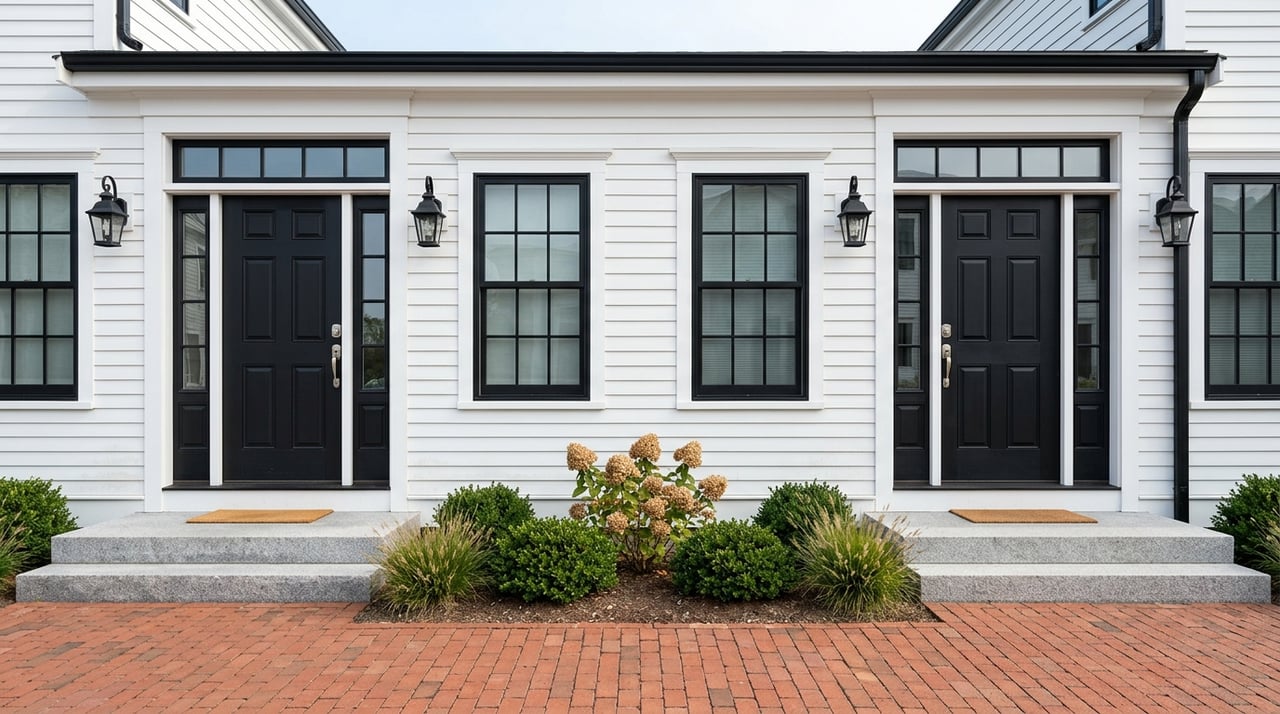
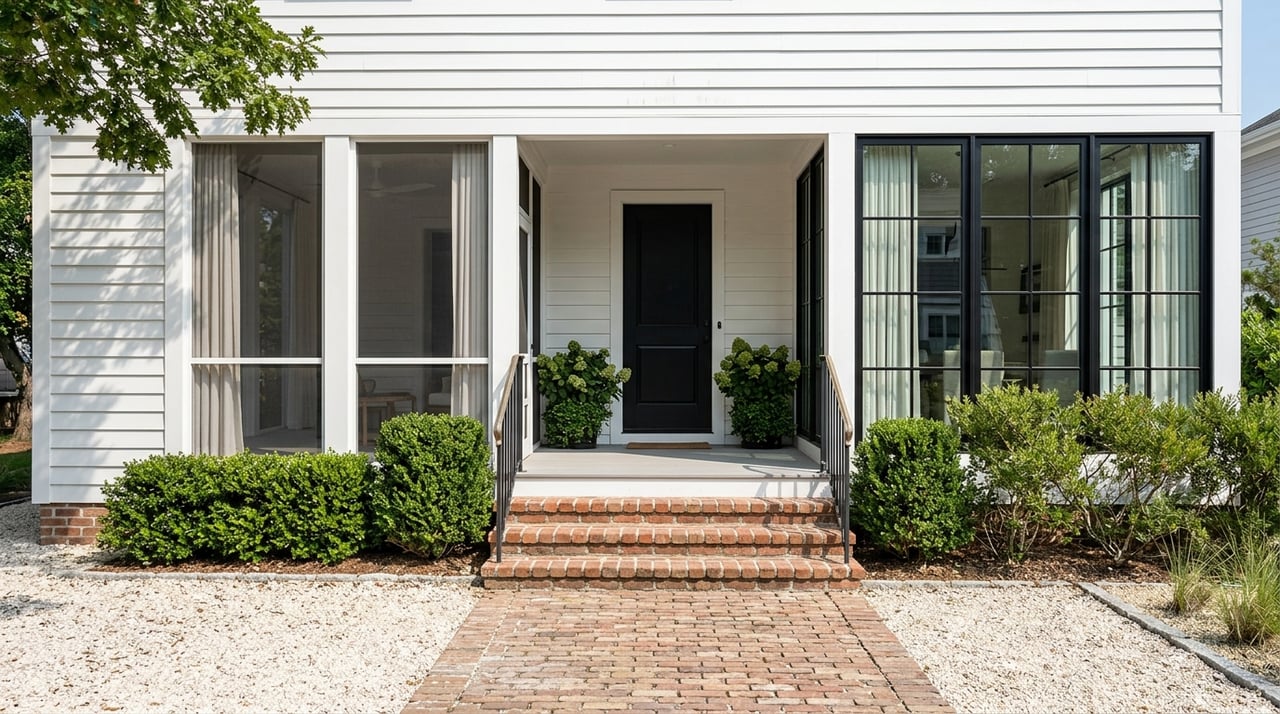
For many Marshfield beach houses, the most important pre-listing work starts outside. Weather-exposed materials tend to show wear first, and buyers often form their opinion before they even walk through the front door.
Take a close look at the roof, flashing, siding, trim, paint, windows, gutters, decks, railings, steps, and drainage. If something looks tired, rusted, soft, loose, or weather-beaten, it is worth addressing early. In a coastal setting, buyers often treat visible exterior wear as a sign that bigger maintenance issues may follow.
The National Association of Realtors also points to practical pre-listing steps like decluttering, cleaning, improving curb appeal, and correcting property faults. For a beach house, curb appeal is not just about flowers and a tidy walkway. It is also about showing that the home has been cared for in a climate that can be hard on exterior surfaces.
Repairs to prioritize before listing
If you are deciding what to fix first, start with items that buyers can easily see or that suggest ongoing risk:
- Loose or damaged shingles
- Peeling paint or worn trim
- Fogged or damaged windows
- Rusted hardware or railings
- Soft deck boards or unstable steps
- Overflowing or damaged gutters
- Poor grading or drainage near the home
- Exterior areas that feel cluttered or unfinished
These updates may not all be glamorous, but they help buyers feel more confident about the property.
Check flood zone status early
One of the smartest things you can do before listing is confirm whether your property is in a flood zone. This is not something to leave until after your home is on the market.
Marshfield has a formal Floodplain District that includes FEMA special flood hazard zones A, AE, AH, AO, A99, V, and VE, as outlined in the town’s floodplain materials. The town also notes that the Building Commissioner serves as Floodplain Administrator, and the Building Department can provide free flood-zone information and site visits, according to the Marshfield town warrant materials.
Knowing this information early helps you prepare for buyer questions and avoid delays later. It can also shape how you position the home, what documents you gather, and how you discuss the property with interested buyers.
Why early flood research helps sellers
When you confirm flood-zone status before going live, you can:
- Answer buyer questions with more confidence
- Reduce surprises during due diligence
- Prepare documents earlier in the process
- Build trust through clear, organized communication
A calm, prepared sale process usually starts with getting ahead of the questions buyers are most likely to ask.
Be careful with shoreline and wetland work
Not every exterior project is a quick fix, especially in a coastal town like Marshfield. If your property is near wetlands, marsh areas, dunes, beaches, or shoreline features, repair work may require review before you begin.
Marshfield planning materials state that anyone planning to work, build, fill, remove, dredge, or alter an area within a wetland resource area, or within 100 feet of one, should check with the Conservation Commission first. The town’s planning materials are clear on this point in the Marshfield planning document. The state also notes that coastal resource areas can include beaches, dunes, banks, and salt marshes, and projects in these areas and their 100-foot buffer zones require local Conservation Commission review.
That matters if you are thinking about dune work, beach access improvements, shoreline stabilization, or changes near wet areas. Before you schedule that project just to make the home look better for sale, make sure you understand whether approvals are needed.
Stage for light, space, and views
Staging can make a real difference, especially for a Marshfield beach house where the setting is part of the appeal. Buyers are not only evaluating square footage and finishes. They are also responding to how the home feels.
According to the 2025 NAR staging report, 29% of agents said staging increased the dollar value buyers offered by 1% to 10%, and 49% of sellers’ agents said staging reduced time on market. The same report found that the living room, primary bedroom, and kitchen matter most when it comes to staging.
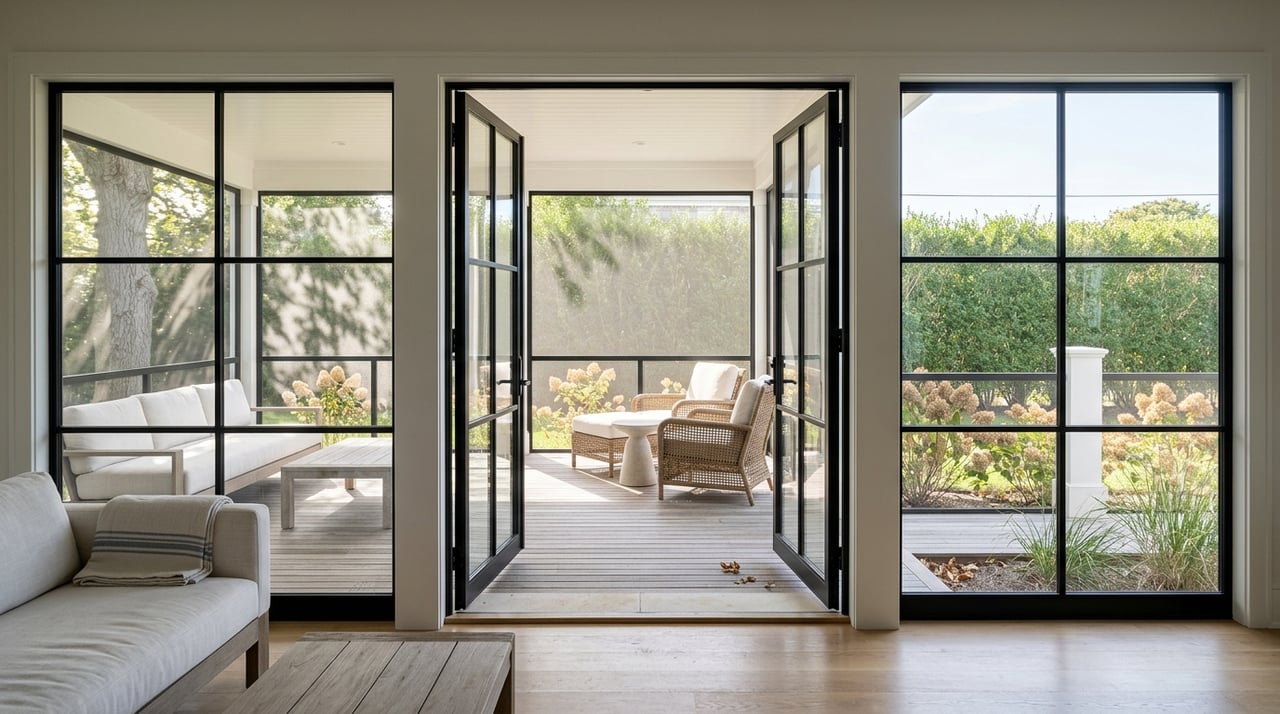
For a coastal property, staging should help buyers notice natural light, open sightlines, and any connection to the outdoors. A room should feel bright, calm, and easy to imagine living in.
Best staging moves for a beach house
A simple coastal staging plan often works best:
- Remove excess furniture that blocks views or crowds rooms
- Clear surfaces to reduce visual clutter
- Open window areas so light can come through
- Use a neutral palette that lets the setting stand out
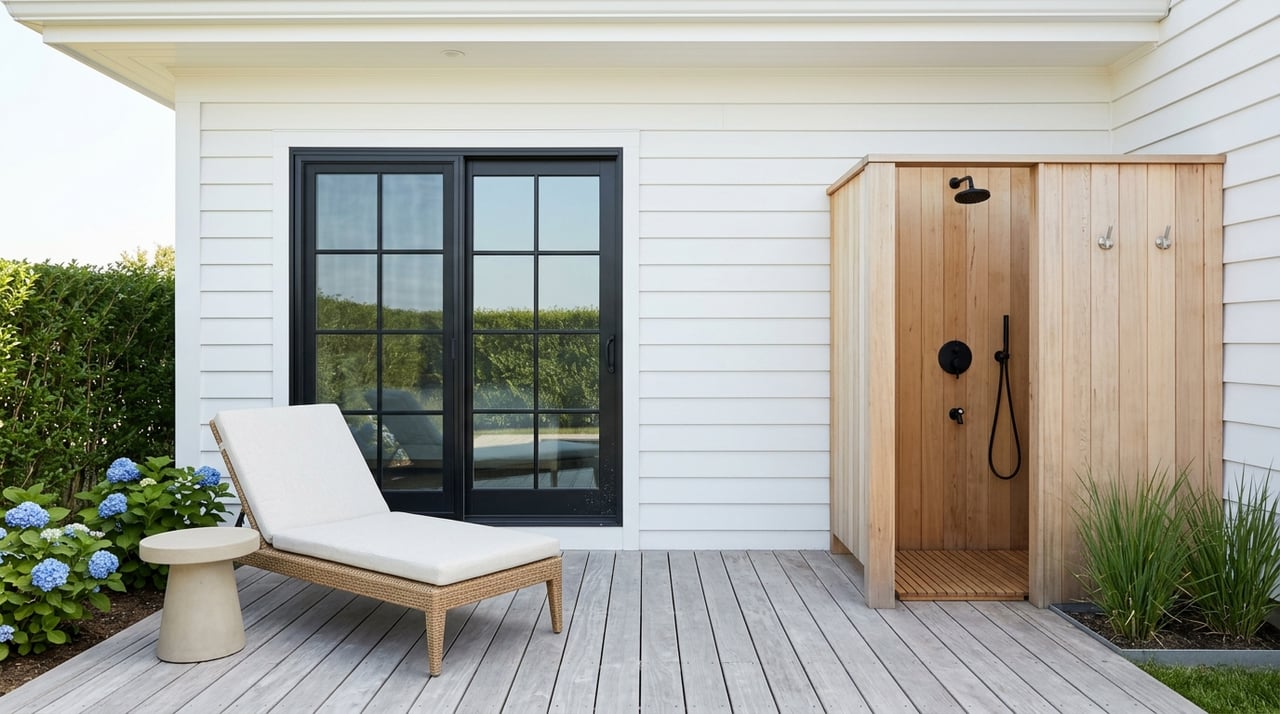
- Make decks, porches, and patios feel like true living spaces
- Store beach gear, tools, and overflow items out of sight
The goal is to create a clean, airy presentation that feels polished but not overdone.
Finish staging before photography
Timing matters. If you are going to invest in staging, make sure it happens before the photographer arrives.
NAR notes that staging should be completed before the home is photographed, and that is especially important for coastal listings where exterior shots, porches, decks, and view lines can shape the first impression. If the home looks bright, clean, and open in photos, buyers are more likely to schedule a showing.
This is where a methodical launch plan can really pay off. In many cases, the difference between an average listing and a standout listing comes down to the order of operations: prep first, then stage, then photograph, then launch.
Invest in strong visual marketing
Most buyers start online, and that makes visual marketing essential. According to the 2025 NAR Profile of Home Buyers and Sellers, 52% of buyers found their home online and 70% used a mobile phone or tablet during their search.
For a Marshfield beach house, that means your listing media cannot be an afterthought. High-quality photography, strong video, and virtual tour options help buyers understand both the home and the setting before they ever visit in person. The 2025 NAR staging report also found that buyers’ agents and sellers’ agents place high value on photos, videos, and virtual tours.
What buyers want to see online
For coastal homes, your marketing should showcase the property’s strongest visual assets, such as:
- Bright exterior hero shots
- Sunlit main living spaces
- Kitchen and primary bedroom photos
- Deck, porch, or patio areas
- Water-facing or open-sky views, when applicable
- Clean, wide-angle images with clear sightlines
In a town where seasonal lifestyle is a major part of demand, the listing should help buyers picture how the home lives, not just how many rooms it has.
A smart sale starts before launch day
Preparing a Marshfield beach house for sale is really about two things: reducing buyer concerns and increasing buyer excitement. When you fix visible wear, confirm flood-zone details early, stay aware of coastal permitting rules, and stage the home for light and lifestyle, you create a stronger first impression from day one.
That kind of preparation is especially important in a coastal market. Buyers may fall in love with the setting, but they still want confidence in the property itself. If you want a calm, detailed plan for getting your Marshfield home market-ready with staging, photography, and a polished launch strategy, connect with Colin Garvey.
FAQs
What should I fix before listing a Marshfield beach house?
- Focus first on visible exterior issues like roof wear, siding, trim, windows, decks, railings, gutters, steps, and drainage, since buyers often watch for signs of salt-air damage and storm-related wear.
How do I check flood zone status for a Marshfield property?
- Marshfield states that the Building Department can provide free flood-zone information and site visits, so it is smart to confirm your property’s status before listing.
Do Marshfield shoreline or wetland-adjacent projects need permits?
- They may, especially if work affects a wetland resource area or land within 100 feet of one, so sellers should check with the Conservation Commission before starting exterior projects near dunes, marshes, beaches, or similar areas.
Is staging worth it for a Marshfield coastal home sale?
- NAR data shows staging can help reduce time on market and may increase buyer offers, and it is especially useful for highlighting light, views, and outdoor living areas in a beach house.
Should staging happen before real estate photography for a Marshfield listing?
- Yes, NAR recommends completing staging before photography so your online listing presents the home at its best from the start.